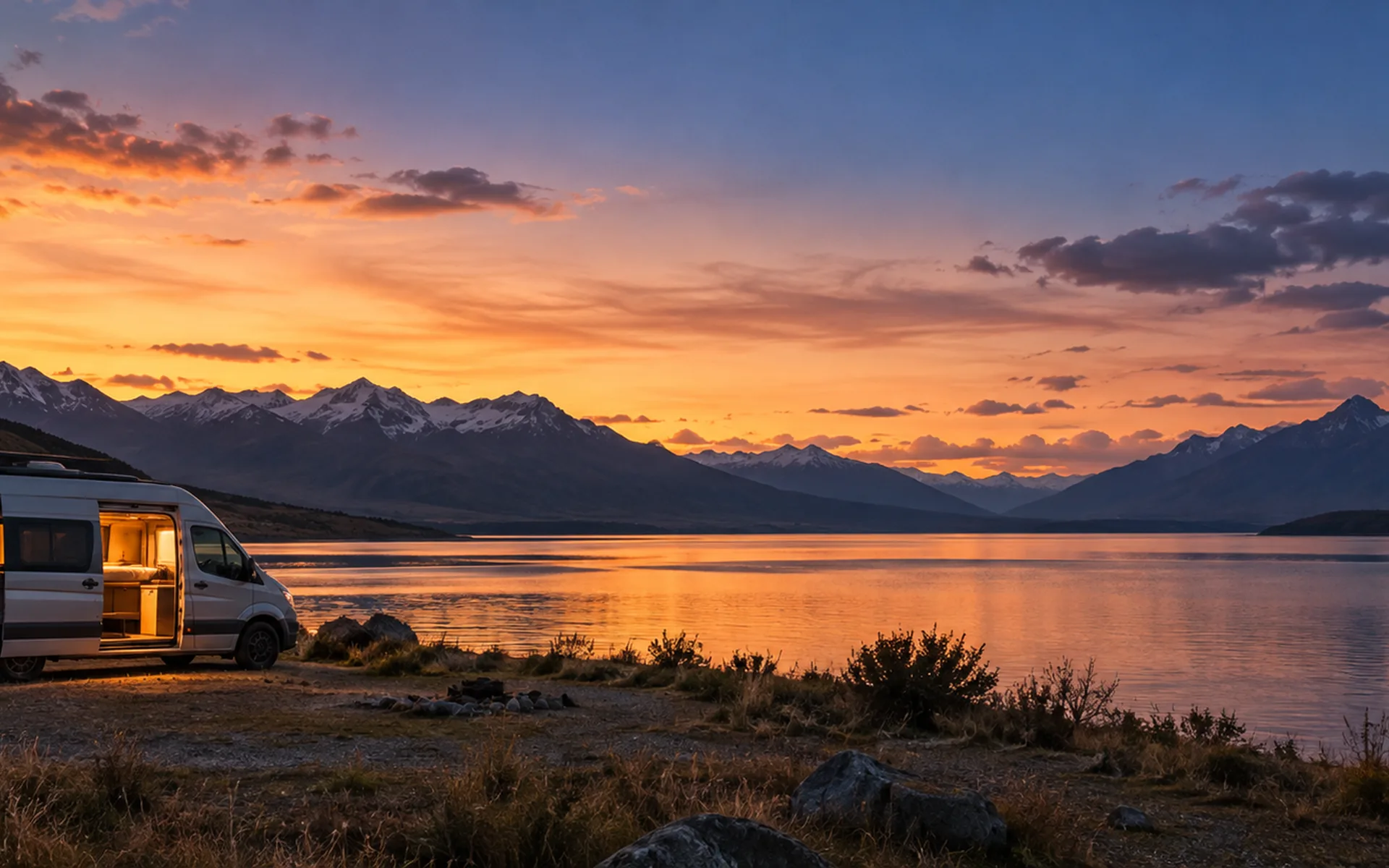
Freedom camping isn't "park anywhere for free"
It's a specific legal category with real conditions attached — and most of the horror stories (fines, evictions, angry locals) come from vans that skipped the conditions, not from the concept itself.
What it actually is
Camping for one or more nights in a vehicle or tent on public land that isn't a formal campground — a car park, a roadside reserve, a stretch of riverbank — where the local council hasn't specifically restricted it. It's legal, free, and how a lot of the country's best overnight views happen.
What it isn't
A loophole for parking anywhere you like. Most councils now restrict freedom camping to self-contained vehicles only, in specific mapped zones, and every region has areas where it's banned outright — usually residential streets, scenic reserves near towns, or spots that got trashed by vans without proper waste systems in the past.
Does your van actually qualify?
Self-containment isn't a vibe — it's four specific, checkable things. Tick what your van genuinely has, and see where that leaves you.
Tick what your van actually has
Four real requirements, from the NZS 5465 self-containment standard used by NZMCA and other certifiers.
Where freedom camping is genuinely good
Not every region is worth the detour — these eleven are, each for a different reason. Full detail on all eleven on the routes page.
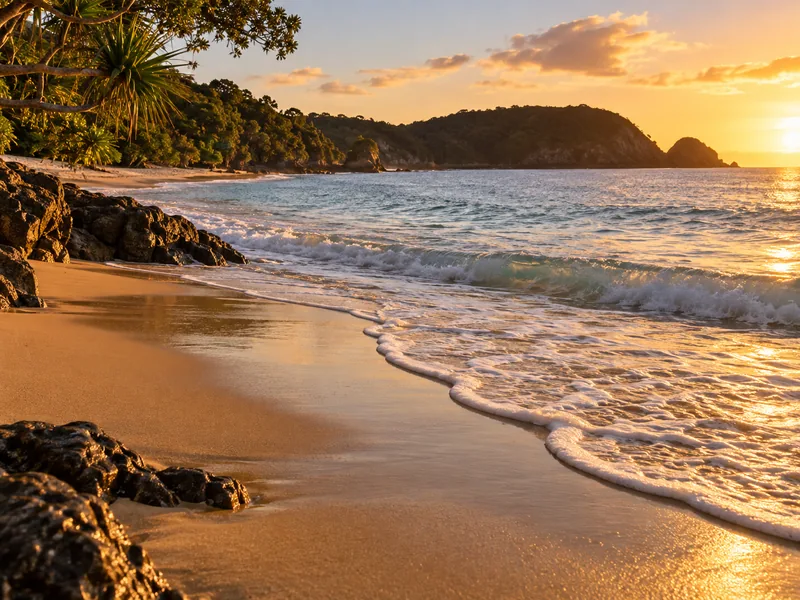
Northland
The Far North's beaches, without a single big town between most of them.
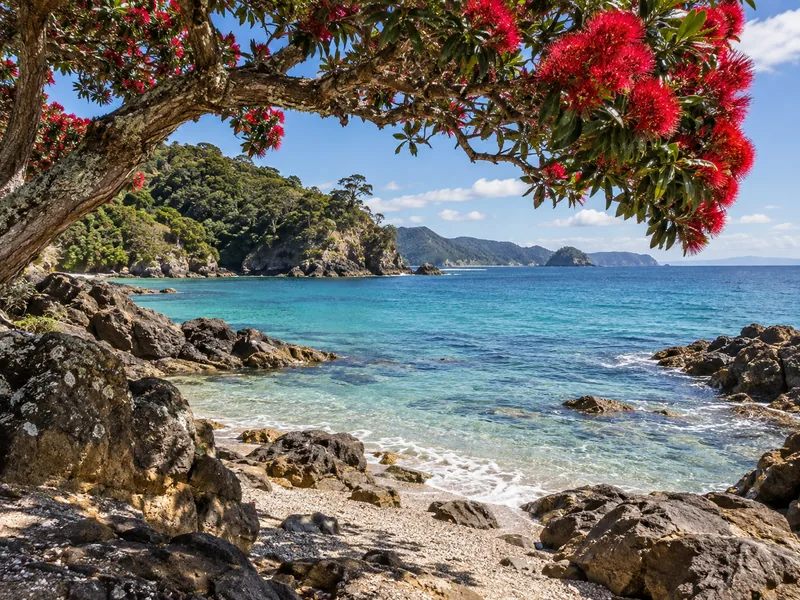
Coromandel Peninsula
Hot Water Beach and a coastline that rewards not rushing.
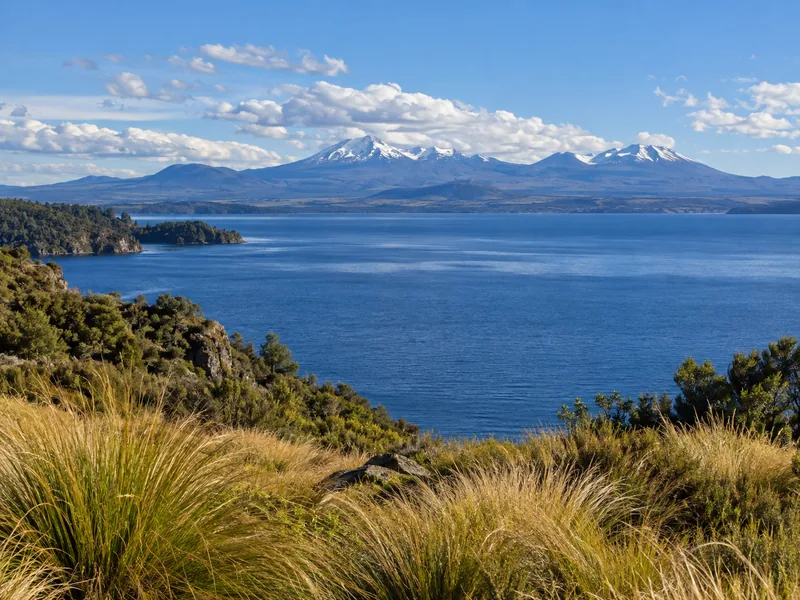
Central North Island
Lake Taupo and Tongariro's volcanoes, a genuine change of scene.
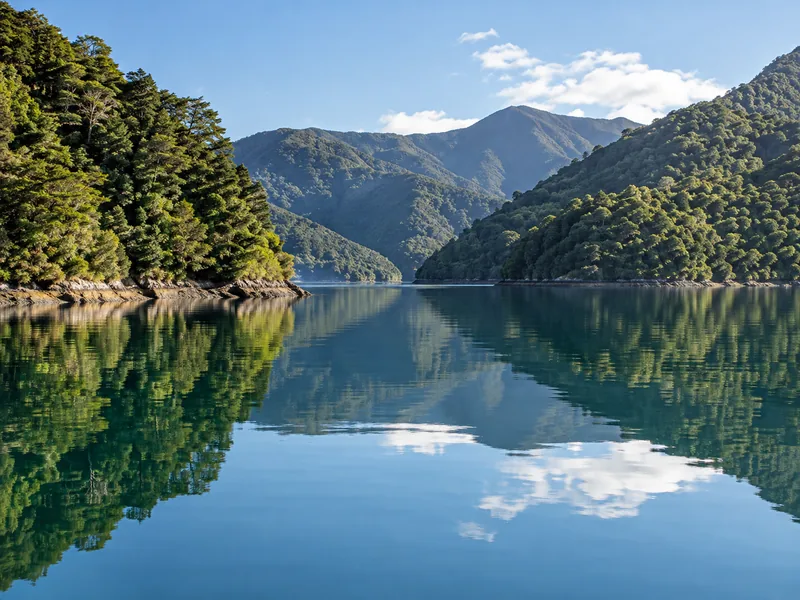
Marlborough Sounds
A drowned river valley of quiet bays, right off the ferry.
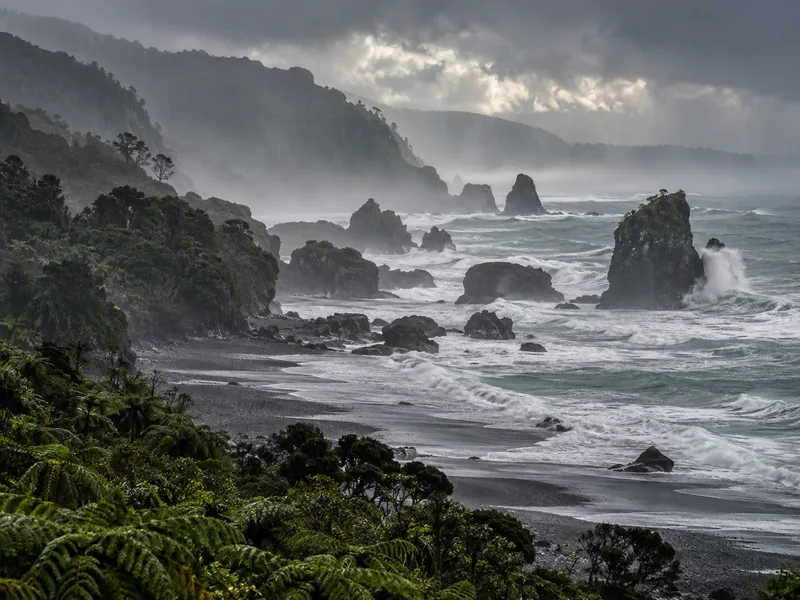
West Coast
Rainforest, glaciers and a coastline with almost no one on it.
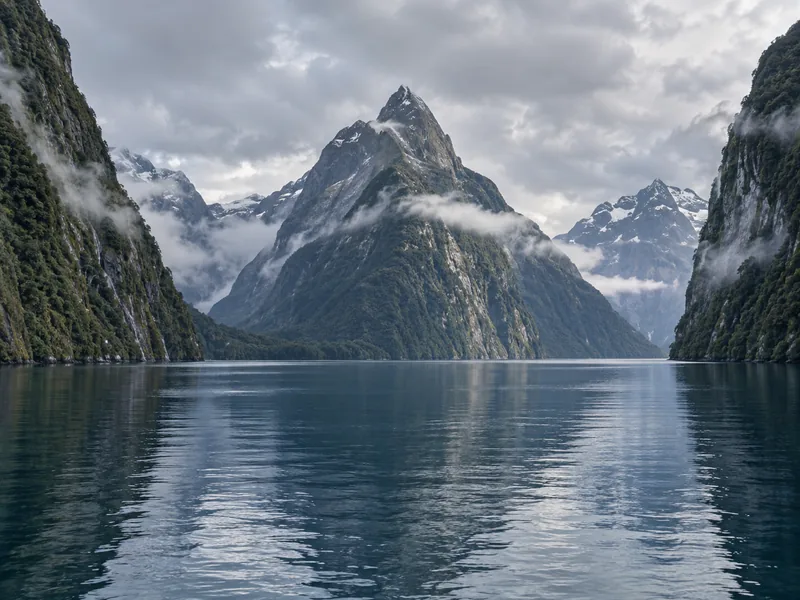
Fiordland & Southland
The country's wettest, wildest corner, best seen slowly.
They're not the same thing
Both are legitimate, cheap ways to sleep in a van in New Zealand — but they run on different rules.
| Factor | DOC campsite | Freedom camping |
|---|---|---|
| Who manages it | Department of Conservation | Local district or city council |
| Typical cost | Free to roughly NZ$15/adult/night | Free |
| Self-containment required | Only at "basic" and some "standard" sites — many have toilets on-site | Almost always, in most councils' mapped zones |
| Facilities | Ranges from nothing to toilets, water, cooking shelters | Usually none — bring everything |
| Booking | Some "scenic" and "great walk" sites need booking; most "basic" sites don't | No booking, first-come first-served |
Freedom camping law is set nationally, but every council maps its own zones and can ban it entirely in specific spots — sometimes just for summer, sometimes year-round. An app showing a pin isn't the same as the council's own current bylaw map. When in doubt, look up that district's actual freedom camping bylaw before you park, not after a NZ$200 infringement notice.